When an athlete hears the word “cleared,” it often feels like the end of the injury story.
In reality, clearance is not the finish line, rather,a transition point.
At Engineered Performance, our approach to sports physical therapy and sports rehab goes far beyond basic clearance. We don’t just ask, “Is the tissue healed?” We ask, “Is the athlete ready?”
Those are two very different questions.
Tissue Healing vs. Performance Readiness
Medical clearance typically means the injured structure has healed enough to tolerate activity. That may be appropriate from a surgical or imaging standpoint.
But in high-level sport, healing does not automatically equal readiness.
Athletes returning from injury often still demonstrate:
- Strength asymmetries
- Reduced power output
- Compensatory movement patterns
- Decreased reactive capacity
- Psychological hesitation
This is where advanced sports rehab matters.
Step 1: Rebuilding Capacity, Not Just Movement
In our sports physical therapy model, we begin by restoring foundational qualities:
- Full, pain-free range of motion
- Strength through full joint excursion
- Isometric and eccentric control
- Load tolerance in progressive positions
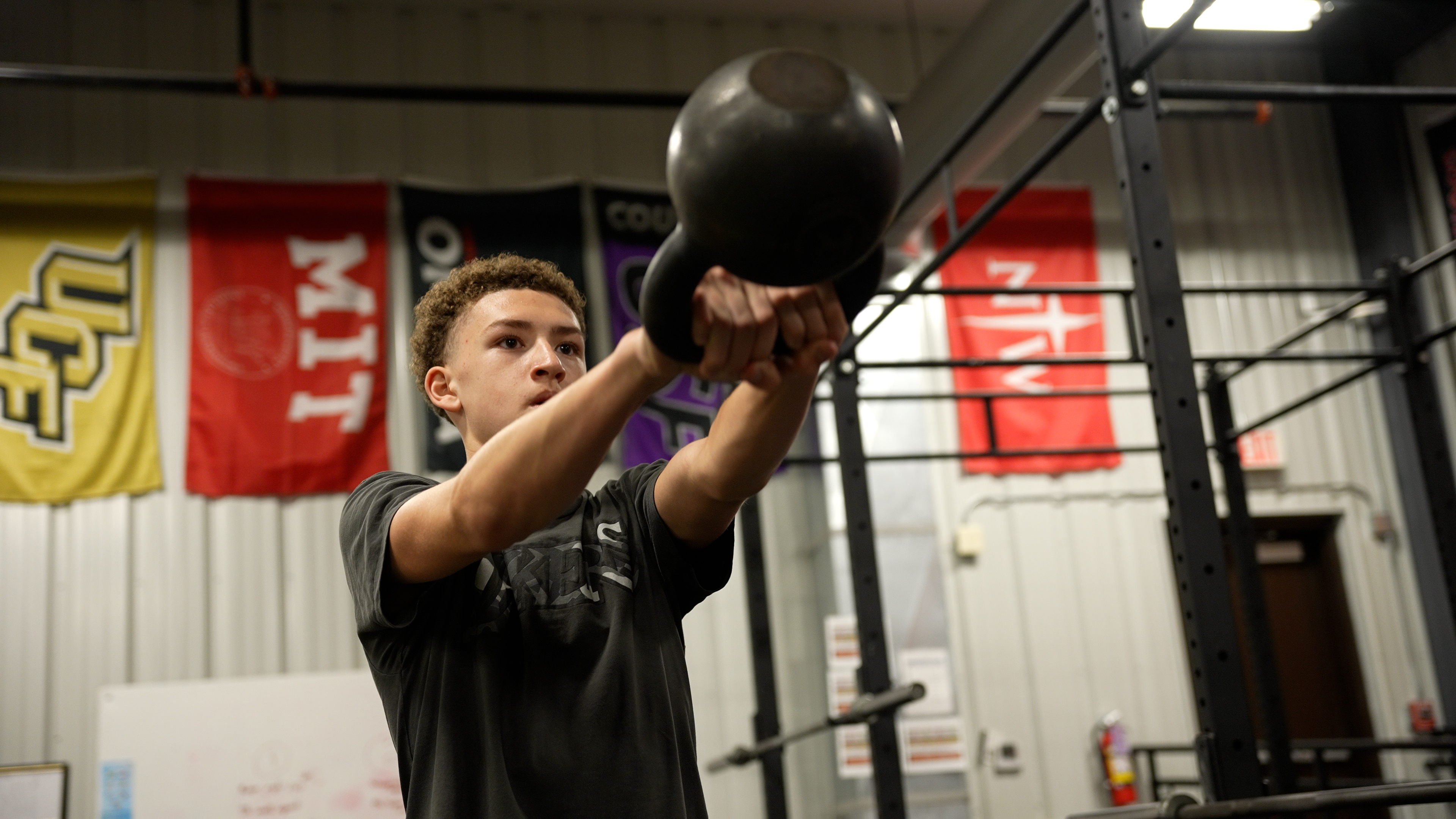
But we do not stop there. We progressively layer load and complexity so the athlete can tolerate the demands of competition.
Step 2: Power, Elasticity & Reactive Control
Sport does not occur in slow, controlled environments.
Once foundational strength is restored, we reintroduce:
- Plyometrics
- Acceleration and deceleration work
- Change of direction mechanics
- Reactive drills under fatigue
This stage of sports rehab bridges the gap between the treatment table and the court or field.
Our goal is to rebuild elastic qualities, ground contact efficiency, and confidence in high-speed movement.
Step 3: Objective Return-to-Sport Testing
“Cleared” should not be subjective.
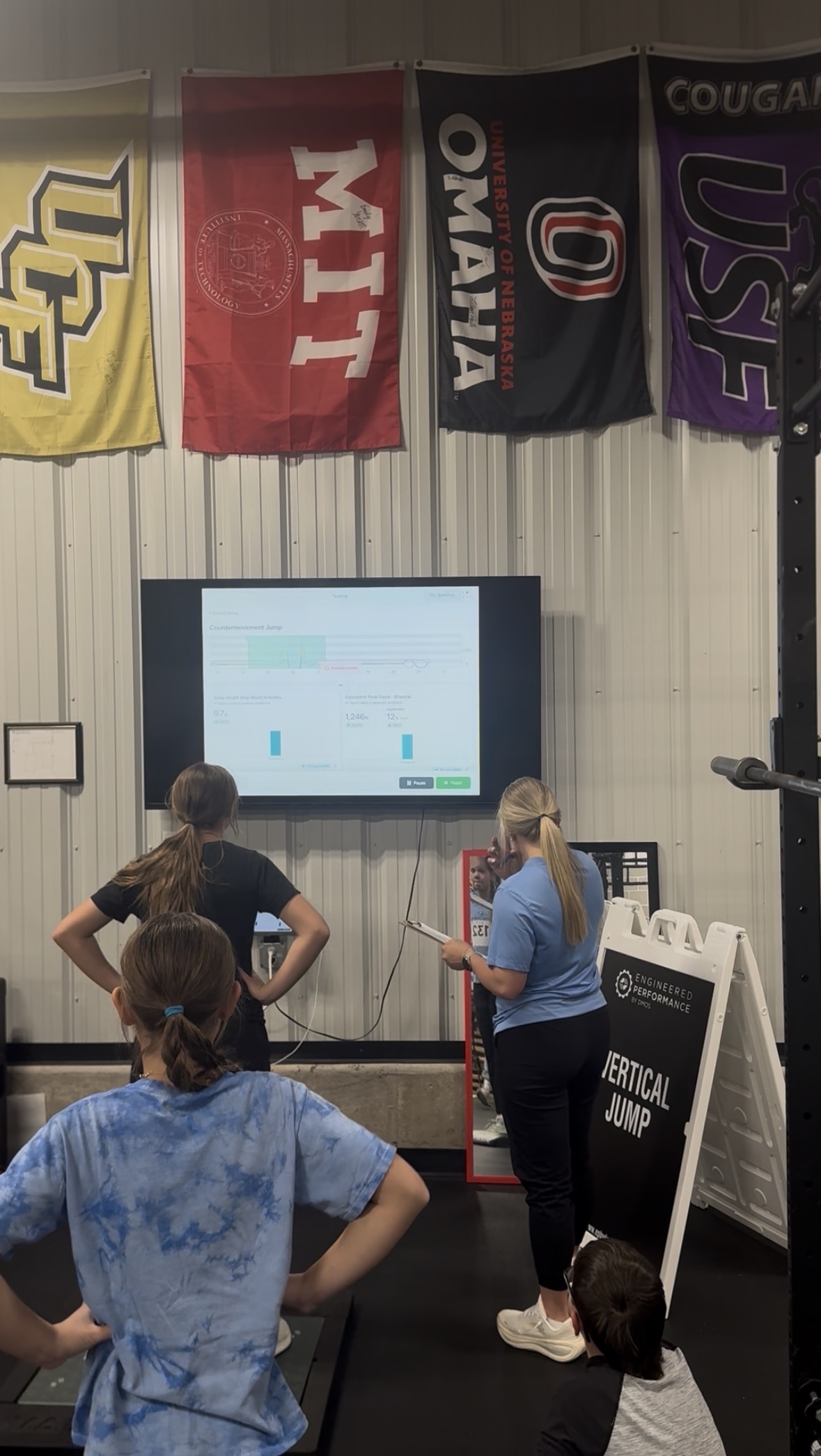
We use objective data to guide return-to-play decisions, including:
- Single-leg hop testing and symmetry analysis
- Force production comparisons
- Reactive strength metrics
- Agility and deceleration performance
Testing is about identifying risk, exposing deficits, and intelligently progressing exposure to the demands of sport.
This is where comprehensive sports physical therapy meets performance science.
Step 4: Confidence Is a Performance Variable
Physical metrics matter. Confidence matters just as much.
Many athletes are medically cleared but still hesitant. Our sports rehab process intentionally builds exposure. We progressively introduce sport-specific stress so the athlete regains trust in their body.
Confidence is built through repeated successful exposure to progressively higher demands.
Alignment Across the Entire Performance Team
One of the most overlooked aspects of effective sports physical therapy is communication.
At Engineered Performance, we actively coordinate with:
- Orthopedic surgeons and physicians
- Physical therapists
- Athletic trainers
- Strength coaches
- Sport coaches
- Parents
Everyone operates from the same timeline, the same benchmarks, and the same expectations.
Clear communication prevents rushed returns, mixed messaging, and unnecessary setbacks.
When the entire team is aligned, the athlete moves forward with clarity.
Beyond Clearance
Being cleared simply means you are allowed to participate. Being ready means you can perform.
Our mission in sports rehab and sports physical therapy is not just to return athletes to sport but to return them stronger, more resilient, and better prepared than before.
If you or your athlete has been cleared but doesn’t feel fully ready, we can help bridge that gap.
Because cleared is not the end of the story. It’s the beginning of the next phase.